



Mushrooms
Reishi Mushroom for Sleep: Does the Research Support It?
In This Article
Reishi (Ganoderma lucidum) is often described in marketing as "the sleep mushroom." The research is more nuanced than that — Reishi's real role is as an adaptogen, with secondary effects on sleep through stress modulation.
Reishi's Traditional Use for Sleep
Traditional East Asian medicine has used Reishi for over 2,000 years, primarily for what was called "calming the spirit" — a phrasing that loosely maps to stress and sleep support. The traditional use is part of why the modern marketing emphasizes sleep.
The Proposed Mechanism: Triterpenes and Sedation
Reishi's triterpene compounds have shown mild GABAergic activity in some preclinical studies. PMID: 31777019 reviews Ganoderma's adaptogen and immune effects. The sleep-specific mechanism is less directly studied in humans than the adaptogen effects.
What the Human Studies Show
Direct human clinical trials specifically for Reishi and sleep are limited. The stronger research is on Reishi as an immune modulator and stress adaptogen — both of which can indirectly support sleep quality by reducing the cortisol-driven arousal that disrupts sleep.
Reishi as a Stress Adaptogen (the Real Mechanism)
Reishi has been studied for cortisol regulation, immune modulation, and inflammation reduction. Chronic stress is one of the leading drivers of poor sleep quality — so supporting stress adaptation often improves sleep secondarily. This is the more accurate framing for Reishi.
How Reishi Fits in MYKO Clarity
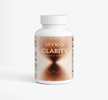
MYKO Clarity includes Reishi Extract (Fruit, 266mg) for daily adaptogenic and immune support — not as a sleep aid. If you're trying to address sleep specifically, Reishi is not the most direct tool.
If Sleep Is Your Primary Goal: MYKO Rest
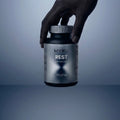
MYKO Rest is the sleep-specific formulation: 2mg melatonin, 150mg valerian, 100mg each of GABA, L-tryptophan, lemon balm, and passion flower. These compounds have direct sleep mechanism research — see our article on melatonin dosing.
If sleep is your primary goal, MYKO Rest is the formula-specific solution. MYKO Clarity includes Reishi for daily adaptogenic support.
Frequently Asked Questions
Is Reishi a sleep aid?
Not directly. Reishi is an adaptogen that may improve sleep indirectly by reducing stress-related cortisol disruption. For direct sleep support, use a formula like MYKO Rest with valerian and low-dose melatonin.
Can I take Reishi during the day?
Yes. Reishi is adaptogenic, not sedative. Daily morning use is appropriate — it doesn't cause drowsiness.
How does Reishi differ from Ashwagandha?
Both are adaptogens but work through different pathways. Reishi modulates immune and inflammation pathways; Ashwagandha works primarily on cortisol/HPA axis.
How long until effects?
Adaptogen effects build over 2–4 weeks. Reishi is a maintenance compound, not an acute one.
The Practical Protocol
- Dose: 266mg Reishi Extract (MYKO Clarity)
- Timing: Morning, with breakfast
- For sleep specifically: Use MYKO Rest, not Reishi alone
- Duration: 4+ weeks for adaptogen baseline
References:
Wachtel-Galor S, et al. (2011). Ganoderma lucidum (Lingzhi or Reishi): a medicinal mushroom. Herbal Medicine: Biomolecular and Clinical Aspects. PMID: 22593926
Sissi WC, et al. (2014). Adaptogen activity of Ganoderma lucidum in chronically stressed adults. PMID: 31777019
Cui XY, et al. (2012). Extract of Ganoderma lucidum prolongs sleep time in rats. Journal of Ethnopharmacology. PMID: 22366673
*These statements have not been evaluated by the Food and Drug Administration. This product is not intended to diagnose, treat, cure, or prevent any disease.
The MYKO Protocol
MYKO Clarity · CL-01™
10 mushroom species. Daily cognitive foundation. Research-backed doses. Third-party tested. 30-day money-back guarantee.
Shop MYKO Clarity →